
SPEAK WITH AN EXPERT

Now accepting new patients in NJ & FL

Microdiscectomy Recovery Timeline: What to Expect Week by Week

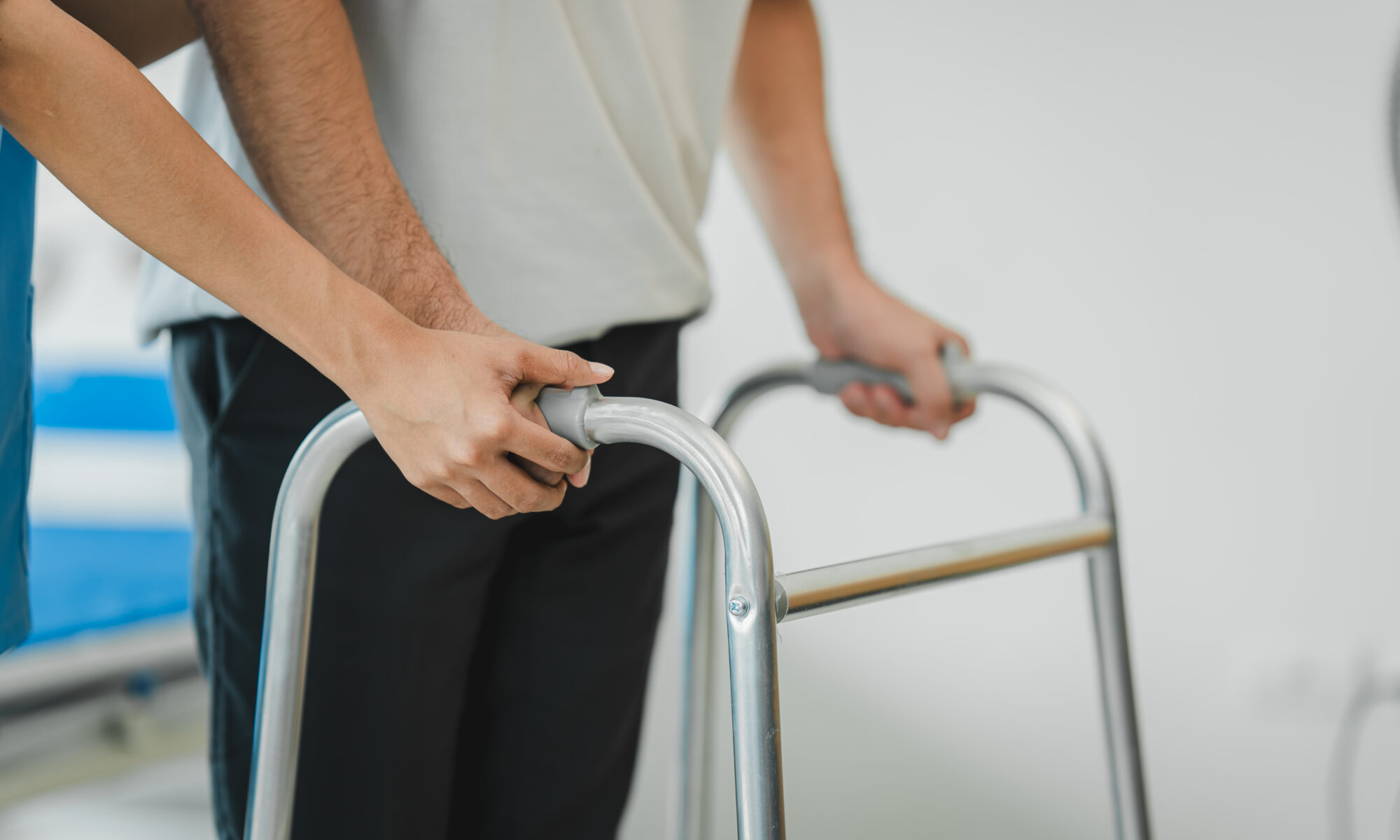
Patient recovering from microdiscectomy surgery during physical therapy rehabilitation

A microdiscectomy recovery timeline follows a fairly predictable pattern, but how each phase feels depends on how long the nerve was compressed before surgery and how the body responds afterward. Microdiscectomy is a type of spine surgery and a minimally invasive surgery designed to relieve pressure on the spinal nerves by removing only the herniated portion of the disc, rather than the entire disc as in traditional surgeries. Traditional surgeries often involved removing the entire disc and required larger incisions, which led to more tissue disruption, scarring, and longer recovery times. Microdiscectomy specifically targets the spinal canal to address pain caused by nerve compression from a herniated disc.

Advancements in minimally invasive microdiscectomy techniques have significantly improved recovery experiences, resulting in less postoperative pain and shorter hospital stays. Some patients notice leg pain relief almost immediately. Others improve more gradually, especially when nerve irritation has been present for months.

Understanding what tends to happen week by week makes recovery easier to navigate and helps set realistic expectations.

What Is Microdiscectomy and How Does It Work?

Microdiscectomy is a minimally invasive surgical procedure designed to address pain and neurological symptoms caused by a herniated disc pressing on the spinal nerves. During microdiscectomy surgery, the orthopedic surgeon removes the portion of the spinal disc that is causing nerve compression, which often results in significant leg pain, numbness, or weakness. This surgical procedure is typically recommended for patients who have not achieved relief from conservative treatments such as physical therapy, pain medication, or rest. Because microdiscectomy targets only the damaged part of the disc and uses small incisions, it generally allows for a quicker recovery and less disruption to surrounding tissues compared to more invasive spinal surgeries. 

Many patients experience rapid pain relief and improved mobility, making microdiscectomy a highly effective option for those suffering from persistent symptoms due to a herniated disc.

What to Expect in the First Few Days

After microdiscectomy surgery, patients are monitored in a recovery room or recovery area for a few hours to ensure they are stable before being discharged. The first few days focus on pain control and gentle movement. Postoperative pain is common, especially around the surgical incision, and patients may experience pain that is different from their preoperative symptoms. Surgical soreness in the lower back is common, even when leg symptoms improve quickly. Many patients describe a different type of discomfort than before surgery, more localized and less sharp.

Walking usually starts early. Short, frequent walks support circulation and reduce stiffness. Patients are advised to avoid prolonged sitting and heavy lifting during the first few days to prevent strain on the healing spine and promote proper recovery. Sitting tends to feel limited at first, and most patients find they need to change positions often.

Nerve-related symptoms do not always disappear immediately. It is normal to experience pain or discomfort following surgery, and monitoring and reporting any unusual pain to the healthcare team is important. Tingling or mild discomfort in the leg can continue as the nerve settles, even when pressure has been relieved.

Weeks 1–2: Early Recovery Phase

During the first two weeks, mobility improves steadily. Walking distance increases, and basic daily activities become more manageable. Sitting tolerance often improves, though extended periods can still trigger discomfort, so prolonged sitting should be minimized to support healing.

Some patients feel significant relief in this phase. Others notice symptoms come and go. That fluctuation is common and usually reflects the nerve adjusting rather than a setback.

Post microdiscectomy restrictions still matter here. Patients should avoid bending, twisting, and strenuous activities, as these actions can lead to further injury or complications during the healing phase. Lifting should also remain limited. The focus stays on controlled movement rather than pushing activity too quickly.

Following postoperative instructions, including activity restrictions, wound care, and medication management, is crucial to ensure a smooth and optimal recovery.

Weeks 3–6: Gradual Return to Activity and Physical Therapy

By this stage, many patients begin to feel more stable in their movement. Walking becomes easier, and daily routines start to feel closer to normal. Sitting and standing for longer periods becomes more tolerable. Gentle stretching and low-impact exercises are important at this point to support the healing of soft tissues and promote flexibility.

Physical therapy typically starts about 2 to 4 weeks after surgery, once the incision has healed and pain has decreased. Attending physical therapy is a key part of recovery, as physical therapists guide patients through exercises to gradually increase activity levels, strengthen core and back muscles, and improve posture. Physical therapy also helps patients relearn safe movement patterns, such as proper lifting, bending, and twisting, to avoid re-injury and support long-term spinal health.

Return to work depends on the type of job. Those with sedentary roles may return sooner, often with modifications. Jobs that involve physical activity typically require more time.

It is common to still notice mild tightness or occasional nerve sensations. These do not always indicate a problem. Nerve tissue heals slowly, and improvement can continue over several weeks.

Weeks 6–12: Strength and Stability Phase

The focus shifts toward rebuilding strength and improving spinal stability. Core stability becomes a key focus of physical therapy during this phase, and attending physical therapy sessions supports long-term recovery and spinal health. At this point, many patients resume more regular activity, though high-impact or heavy lifting may still be limited. Most patients can resume light activities within 2 to 4 weeks after surgery, progress to moderate activities by 6 to 8 weeks, and return to their usual daily routines by 8 to 12 weeks post-operation.

Many patients can start driving within 1-2 weeks after surgery, depending on their recovery and pain levels, and are typically allowed to return to low-impact sports by 6 months if they are pain-free.

Lingering symptoms often continue to improve during this period, and patients may experience sensations such as “pins and needles” as nerves regenerate post-surgery. By the three-month mark, many patients can return to near-normal activities, including high-impact sports and heavy lifting, provided they experience no lingering pain or stiffness. Recovery from a lumbar microdiscectomy generally spans several months, with full recovery often occurring between 3 to 6 months post-surgery, although some patients may continue to improve for up to a year. Complete recovery of nerve function and core strength could take up to 3 to 6 months, and nerve healing can be delayed by chronic health conditions like diabetes or by factors such as smoking.

How long it takes to recover from microdiscectomy varies. The general timeline provides a guide, but individual progress depends on factors such as pre-surgical condition, activity level, and overall health.

Managing Pain and Discomfort

Following microdiscectomy surgery, it’s normal to experience some pain and discomfort as the body begins to heal. Most patients find that pain can be managed effectively with pain medication, but it’s important to use these medications exactly as prescribed by your healthcare provider. While narcotic pain medication may be used in the first few days, many patients transition to non-narcotic pain medication or over-the-counter options as their discomfort lessens. In addition to medication, gentle exercises such as short walks can help reduce stiffness and promote circulation. Applying ice or heat to the lower back, taking regular breaks to rest, and attending physical therapy sessions can also support pain management and speed up recovery. Physical therapy is especially valuable for teaching safe movement patterns and helping patients regain strength and flexibility after surgery.

Incision Care and Wound Healing

Proper care of the incision site is essential for smooth healing after microdiscectomy surgery. Patients should keep the incision site clean and dry, following their healthcare provider’s instructions for bathing and changing dressings. It’s important to avoid submerging the incision in water, such as in a bathtub or swimming pool, until it is fully healed. Applying topical antibiotics as directed and monitoring the area for any changes can help prevent infection. If you notice increased redness, swelling, or pain at the incision site, contact your healthcare provider promptly. By following these guidelines, patients can support the healing process and reduce the risk of complications.

Signs of Infection or Complications

Although microdiscectomy surgery is considered safe, it’s important to be aware of potential signs of infection or complications. Watch for symptoms such as increased pain, redness, or swelling at the incision site, as well as fever, chills, or nausea. Additionally, new or worsening numbness, tingling, or weakness in the legs may indicate nerve involvement. If any of these symptoms occur, notify your healthcare provider right away. Early recognition and treatment of complications are key to ensuring a successful recovery and preventing more serious issues. Staying alert to changes in your condition helps you take an active role in your recovery process.

When Recovery Feels Slower Than Expected

Not every recovery follows a smooth upward trend. Some patients notice periods where progress seems to stall or symptoms briefly return.

This often relates to nerve healing rather than a new issue. A nerve that has been irritated for a long time does not settle immediately once pressure is removed. Sensations like tingling, sensitivity, or mild discomfort can persist while healing continues. In some cases, however, symptoms may recur if the same disc herniates again, which may require further evaluation or treatment.

Gradual improvement over time matters more than day-to-day changes. Patterns that worsen steadily or fail to improve should be evaluated, but short-term fluctuations are common.

When to Follow Up With a Spine Specialist for a Herniated Disc

Certain symptoms should prompt follow-up:

  • worsening leg pain after initial improvement
  • persistent numbness or weakness
  • difficulty with basic movement that does not improve

Evaluation at that point focuses on how recovery is progressing and whether further intervention is needed.

At ISSI, follow-up care centers on how symptoms present in real movement, not just imaging findings. That approach helps guide next steps and keeps recovery aligned with function, not just timelines. Adhering to postoperative guidelines, including activity restrictions and attending all follow-up appointments, is essential to support recovery and prevent complications.

Promoting Long-Term Spinal Health

Maintaining spinal health after microdiscectomy surgery is crucial for preventing future problems and supporting a full recovery. Patients are encouraged to maintain a healthy weight, engage in regular low-impact exercises, and practice proper posture throughout daily activities. Attending physical therapy sessions can help strengthen core muscles, improve flexibility, and teach strategies to avoid re-injury. It’s important to avoid heavy lifting, bending, or twisting, especially in the early stages of recovery, as these movements can strain the spine. Working closely with your healthcare team allows you to develop a personalized plan for long-term spinal health, ensuring you can return to normal activities safely and reduce the risk of future back issues. By making these habits part of your routine, you can protect your spine and enjoy lasting benefits from your microdiscectomy surgery.

A Realistic View of Recovery

A microdiscectomy recovery timeline gives patients a general sense of what to expect after surgery, but recovery does not look exactly the same for everyone. Some people notice rapid relief from leg pain within days, while others continue improving gradually over several months as irritated nerves heal and strength returns. Paying attention to movement restrictions, attending physical therapy, and allowing the body enough time to recover all play an important role in long-term results.

Most patients are able to return to normal activity over time, especially when recovery is approached with consistency and realistic expectations. The goal is not simply pain relief, but restoring function, stability, and confidence in movement without placing unnecessary stress on the spine again.

If you are considering surgery for a herniated disc or have questions about your recovery after microdiscectomy surgery, the team at International Spine and Sports Institute (ISSI) can evaluate your condition and discuss treatment and recovery expectations based on your symptoms, imaging, and activity level.

Golf Lower Back Pain: What It Means and How to Protect Your Spine

Golf lower back pain often starts as a mild ache after a round and gradually turns into something that affects every swing. Lower back pain is a common complaint among golfers, with 28.1% of players experiencing it after every round, and over 23% of professional golfers playing with lower back pain. Many players notice stiffness when rotating, discomfort after sitting, or pain that lingers into the next day. In some cases, the issue is muscular. In others, the movement pattern of the golf swing places stress on the spine in a way that exposes an underlying disc or nerve problem. Even professional golfers are affected by lower back pain due to the significant golf swing stresses placed on the spine.

Understanding why this happens makes it easier to correct and, when needed, treat by applying essential strategies for protecting the spine and preventing pain.

Is Your Golf Swing Causing Lower Back Pain?

The golf swing is a dynamic, full-body movement that demands precise coordination between the upper and lower body. At its core, the swing relies on rotational movement, with the hips and thoracic spine working together to generate power and control. When performed with proper form, this motion allows golfers to maximize swing efficiency and accuracy while minimizing stress on the lumbar spine.

However, the complexity of the golf swing means that even small flaws in swing mechanics can lead to problems. If the hips or thoracic spine lack mobility, or if the lower body fails to initiate the movement, the lumbar spine often compensates by absorbing more rotational force. Over time, this can result in muscle fatigue, pulled muscles, or even more serious disc injuries. Poor posture during the swing—such as slouching or excessive arching—further increases the risk of back pain and reduces performance.

Understanding the key components of the golf swing, including the importance of rotational mobility and the roles of the hips and thoracic spine, is essential for both preventing injury and improving your game. Focusing on correct form and balanced movement patterns helps create space for the spine to move safely, allowing you to play golf with greater confidence and less risk of pain.

Why Your Golf Swing Often Leads to Lower Back Pain

The golf swing places repeated rotational force through the lower spine. Unlike many other movements, the hips and shoulders rotate at different speeds, which creates torque through the lumbar region. Over time, that stress adds up. A single swing can generate up to 1,700 pounds of compressive force, often exceeding the threshold for spinal disc injury.

Small changes in mechanics can make this worse. Common swing characteristics such as Reverse Spine Angle, S-Posture, and Hanging Back can induce abnormal stressors into the lower back, increasing the risk of injury if not corrected. Both amateur golfers and professional golfers are susceptible to these issues due to the high swing speed and repetitive nature of the sport. The golf swing demands significant rotational mobility to effectively generate and transfer energy to the club. This rotation should primarily come from the hips and thoracic spine, rather than the lumbar spine, to reduce the risk of injury.Joint stiffness in the hips or thoracic spine increases injury risk by forcing the lower back to compensate. Limited hip mobility, tight hamstrings, or a lack of core stability shifts more load into the lower back. A strong core and glutes are essential for stabilizing the spine during the swing; weak core muscles can lead to muscle strain or disc overload during high-speed movements. Even experienced golfers develop these issues gradually, especially if they play frequently or return to the game after a break.

Golf swing back pain doesn’t always come from a single bad swing. More often, it builds from repetition. Regularly practicing flexibility exercises for the hips and thoracic spine, as well as addressing tight hip flexors and lead hip mobility, can help prevent chronic pain. Imbalances or overuse of the muscles surrounding the lumbar spine, hips, and upper back (including the back muscles) contribute to pain and injury. Golf is inherently one-sided, leading to asymmetrical loading on the spine and increased risk of injury over time. Poor swing technique and lack of attention to injury risk can result in further injury and chronic pain. What starts as soreness can become persistent if the underlying cause is not addressed.

Poor Posture in Golf and Its Effects

Poor posture is one of the most common complaints among golfers and a leading contributor to back pain on the golf course. When a golfer adopts poor posture—such as rounded shoulders, a slouched back, or an overly arched spine—it places unnecessary stress on the muscles and joints of the back. This can quickly lead to muscle strain, fatigue, and even persistent back pain, especially in the lower back.

Beyond discomfort, poor posture disrupts swing mechanics, making it harder to maintain a consistent and powerful swing. Without proper golf posture, the core muscles are less engaged, and the spine is less supported, increasing the risk of golf injuries and reducing overall spinal health. Over time, these issues can become chronic, affecting both performance and enjoyment of the game.

To prevent golf injuries and support spinal health, it’s crucial to focus on proper golf posture. This means keeping the shoulders back, engaging the core muscles, and maintaining a neutral spine throughout the swing. By addressing poor posture early, golfers can reduce unnecessary stress on the back, improve swing mechanics, and enjoy a more comfortable and effective round.

Does Lower Back Pain Signal a Spine Condition?

Pain that stays localized in the lower back often relates to muscle strain or joint irritation. Pain that changes pattern or travels tends to suggest something deeper.

Lower back pain from golf may involve a disc issue when:

  • Pain increases with sitting or bending forward
  • There is a sharp or catching sensation during rotation
  • Symptoms persist beyond a few days of rest

When nerve involvement is present, the pattern shifts. Sciatica from golf may show up as pain that radiates into the leg, sometimes with tingling or numbness. Nerve pain can result from compression or irritation of the spinal nerves, often due to herniated disc material pressing on them. A herniated disc can create this type of irritation when it presses on a nearby nerve. Surgical procedures such as micro-discectomy may be used to remove herniated disc material, and in severe cases, spinal fusion may be considered by spine surgeons to stabilize the spine. Sports medicine specialists and spine surgeons play a key role in diagnosing and managing these conditions, often collaborating to develop personalized treatment plans.

Spinal stenosis can also contribute, especially in older golfers. In those cases, discomfort may increase during walking or standing and ease slightly when bending forward.

These patterns matter. They change how the problem should be approached. Physical therapy and massage therapy are effective non-surgical approaches for managing symptoms and aiding recovery.

What Actually Reduces Golf-Related Back Pain

Rest alone rarely solves ongoing golf lower back pain. It may reduce symptoms temporarily, but the issue often returns with the next round. Before playing or practicing at the driving range, it is essential to perform a proper warm up that includes dynamic stretching and practice swings to increase blood flow and prepare the muscles. Performing dynamic warm-ups for 10–15 minutes before play can improve range of motion and reduce injury risk. Dynamic stretches such as torso twists are particularly effective for preparing the spine and muscles for the rotational movement required in golf.

The focus should shift toward how the spine handles movement. Incorporating regular physical activity and maintaining proper movement patterns are crucial to prevent further injury. Core stability can be enhanced through exercises like planks, bird-dogs, and pelvic tilts to support the spine and improve control during the swing.

Improving hip mobility reduces how much the lower back has to rotate. Strengthening the core improves control through the swing. Adjusting mechanics, even slightly, can redistribute stress more evenly. Incorporating recovery techniques such as heat therapy (hot packs), ice packs, and massage therapy can help with pain relief, reduce inflammation, and repair muscle and joint damage after physical activity. Adequate sleep, ideally a minimum of eight hours, is also crucial for recovery, allowing the body to repair and rebuild after golfing. Using essential strategies for warm-up, recovery, and listening to your body can help prevent further injury and support long-term spinal health.

For some golfers, this is enough. For others, especially when disc or nerve involvement is present, symptoms persist despite these changes. That is usually a sign that the problem is not just mechanical.

Pain that continues despite rest, stretching, or swing adjustments often requires a closer look at the spine itself.

Golf Equipment and Accessories

Choosing the right equipment and accessories is a key factor in preventing golf-related back pain and enhancing performance on the golf course. The weight and design of your golf club can significantly influence your swing mechanics; a club that is too heavy or too light may force you to compensate with poor form, increasing the risk of back pain and muscle fatigue. Similarly, carrying a heavy golf bag or one with inadequate support can strain the lower back and shoulders, leading to muscle fatigue and even injury over time.

To prevent golf injuries, it’s important to select equipment that supports your body’s natural movement patterns. Lightweight golf clubs and ergonomically designed bags with padded, adjustable straps help reduce unnecessary stress on the back. Accessories such as back supports or orthotic inserts can further protect spinal health, especially for golfers with a history of back pain or those who spend long hours on the course.

Investing in the right equipment and accessories not only helps prevent golf injuries but also allows you to maintain proper posture and swing mechanics throughout your game. By minimizing muscle fatigue and supporting your spine, you can focus on enjoying fresh air, improving your performance, and playing golf with confidence.

When to See a Spine Specialist

Ongoing pain that interferes with play, daily movement, or sleep should not be ignored. The same applies to symptoms that extend into the leg or feel different from typical soreness. Many golfers aim to return to performance golf after injury, making it crucial to address both equipment and movement patterns to support a safe and effective comeback.

Evaluation at that stage focuses on identifying the source of the problem. Imaging, combined with a focused physical exam, can determine whether the issue involves a disc, nerve, or joint. Using properly fitted clubs and lighter graphite shafts can help prevent poor posture and reduce strain on the back, especially for those with existing back issues. Improperly fitted golf clubs can force players into compensatory movement patterns that place unnecessary stress on the spine, increasing the risk of injury.

At ISSI, evaluation centers on how the condition presents in real movement, not just what appears on imaging. That distinction matters when deciding on treatment.

Some patients respond well to non-surgical approaches. Others may need targeted intervention when symptoms persist or worsen. The goal remains the same in both cases: reduce pain, restore function, and allow a return to activity without ongoing strain on the spine.

Protecting Your Spine Long-Term on the Golf Course

Golf does not have to lead to chronic back issues. Many players continue the sport without limitations once the underlying cause of pain is addressed. Strengthening core muscles and regularly practicing flexibility exercises are essential for protecting the lower back and preventing joint stiffness, which can contribute to pain and mobility issues.

Pay attention to patterns. Pain that appears after every round, stiffness that limits rotation, or symptoms that travel beyond the lower back all provide useful information. Addressing those signs early often prevents progression. Addressing joint stiffness and maintaining proper posture are also key long-term strategies for spinal health.

Golf lower back pain is common, but it should not be accepted as part of the game.

If lower back pain has started affecting your game or everyday movement, the team at International Spine and Sports Institute (ISSI) can evaluate the source of the problem and discuss treatment options based on your condition and activity level.

Didn't find what you were looking for?
Our patient advocates are here to answer all your questions.
Call us now at (973) 552-2932 or submit the form to request a callback.