
SPEAK WITH AN EXPERT

Now accepting new patients in NJ & FL

Sciatica vs. Herniated Disc: How to Tell the Difference

Woman standing and leaning on desk showing sciatica vs herniated disc with nerve compression causing leg pain

Not sure whether your pain points to sciatica vs herniated disc? This guide compares symptoms, exams, and treatments so you can take the right next step with our physician team if needed.

Explore related treatments any time; the details below will help you match options to your situation.

Sciatica Vs Herniated Disc?

Sciatica is pain that tracks from the lower back or buttock down the leg along the sciatic nerve. The sciatic nerve runs through the spinal column and can be affected by issues with the intervertebral discs. It often feels sharp or electric and can include numbness, tingling, or weakness. A frequent underlying cause is a herniated disc irritating a nerve rootโ€”disc herniations occur when the inner material of the intervertebral discs pushes through the outer layer, potentially compressing nerves within the spinal columnโ€”hence the confusion around sciatica vs herniated disc.

Herniated Discs (and Why They Trigger Leg Pain)

A herniation occurs when the discโ€™s inner gel pushes through a tear in the outer ring, creating inflammation and possible contact with the exiting nerve root. The release of inflammatory chemicals from the herniated disc can irritate nerves, leading to localized pain at the site of the herniation as well as radiating symptoms. That combination produces classic disc injury symptoms: radiating leg pain, dermatomal numbness, and sometimes focal weakness. Background reading on herniated disc clarifies how level and location shape symptoms.

Anatomy 101 (Why Location Dictates Symptoms)

Discs cushion the vertebrae while nerve roots exit through narrow foramina; the L5 and S1 roots commonly produce sciatica patterns. The sciatic nerve runs from the lower back through the buttocks and down the leg, and is formed by the five nerve roots exiting the lower spine. Anything that narrows these corridorsโ€”disc herniation, stenosis, bone spursโ€”can compress a root and set off leg pain. The sciatica overview maps typical pain paths and red flags to watch.

Nerve Compression and Sciatica

Nerve compression is what’s really behind your sciatica pain โ€“ and it happens when that major sciatic nerve gets pinched or irritated somewhere along its pathway. You’ll typically see this compression come from a herniated disc (where disc material literally presses against your nerve) or spinal stenosis (which narrows your spinal canal and cranks up the pressure). When compression hits your sciatic nerve, you’re looking at a whole range of symptoms that can really impact your daily life: sharp or burning pain that shoots down your leg, numbness, tingling sensations, and muscle weakness in the affected area. In more serious cases, you might experience sudden, severe pain episodes, trouble controlling your bowel or bladder, or even signs of permanent nerve damage if that pressure isn’t relieved quickly.

Your treatment options for nerve compression and sciatica really depend on how severe your symptoms are and what’s actually causing the problem in the first place. Physical therapy is often your first line of defense โ€“ it strengthens those supporting muscles and gets your mobility back on track. Epidural steroid injections can work wonders by reducing inflammation and delivering targeted relief right where that compressed nerve needs it most.

When conservative treatments just aren’t cutting it, surgery might be necessary to decompress the nerve and get your function back. Here’s the thing: nerve compression can lead to lasting complications if you just ignore it, so it’s crucial to get medical evaluation if you’re noticing persistent or worsening symptoms โ€“ especially if you’re experiencing changes in bladder control or muscle strength.

Diagnosing Sciatica (and Ruling In/Out a Herniated Disc)

A precise diagnosis blends history, exam, and selective imaging:

  • Pattern clues: pain below the knee, dermatomal numbness, objective weakness, and common symptoms such as shooting pain and nerve pain
  • Provocative tests: e.g., Straight Leg Raise reproducing leg pain
  • Imaging when indicated: MRI that aligns with findings and points to a disc or other cause

Certain red flag symptoms, such as sudden loss of bladder control or severe weakness, require immediate medical care.

Uncommon presentations happen tooโ€”the round-up of weird sciatica side effects highlights less typical symptoms that can still track to the same nerve pathways.

Causes & Risk Factors

Typical drivers include disc herniation, spinal stenosis, foraminal narrowing, or muscle spasms. Risk rises with repetitive flexion/rotation under load, prolonged sitting, deconditioning, smoking, and higher BMI. Kidney stones can also cause severe pain episodes similar to sciatica and should be considered in the differential diagnosis. When age-related changes dominate, this candidacy explainer on artificial disc replacement for degenerative disc disease helps frame motion-preserving options. Recurrent disc herniation is a risk for individuals who have previously experienced a herniated disc.

Degenerative Disc Disease and Sciatica

Degenerative disc disease is one of those sneaky culprits behind sciatica pain that many people don’t see coming. Here’s what happens: your spinal discsโ€”those crucial cushions between your vertebraeโ€”gradually break down over time. Think of it like a sponge slowly losing its ability to hold water. As the disc loses hydration and flexibility, it becomes a sitting duck for injury. When that soft inner gel starts pushing outward, it’s like an unwelcome visitor knocking on your sciatic nerve’s door, bringing along pain, numbness, and weakness down your leg. And here’s the kickerโ€”this whole process can lead to herniated discs, which really ramp up the nerve compression and make your sciatica symptoms even more intense.

Managing degenerative disc disease and protecting your sciatic nerve doesn’t have to feel overwhelmingโ€”most cases start with smart, conservative approaches. Physical therapy becomes your best friend for building core strength and keeping your spine stable, while pain relievers can take the edge off. Don’t overlook alternative therapies either; chiropractic care and acupuncture can work wonders for reducing discomfort. Now, if conservative treatments aren’t cutting it, surgical options are there as a backup plan for those severe or stubborn symptoms. But here’s the thing: early intervention is absolutely key. The sooner you address this condition, the better your chances of preventing further damage and avoiding chronic pain or disability down the road. By tackling degenerative disc disease head-on, you’re essentially giving your sciatic nerve the protection it needs to keep you moving freely.

Sciatica vs Herniated Disc: Symptoms Compared

Sciatica (symptom pattern):

  • Radiating pain from low back/buttock down the leg (often past the knee)
  • Severe leg pain
  • Burning/electric quality, worse with sitting or coughing
  • Numbness/tingling in a nerve-root pattern; possible weakness

Herniated disc (underlying cause):

  • Onset after a lift/twist or gradual buildup with repeated flexion
  • Root-specific findings on exam (asymmetric strength/reflex)
  • MRI that matches the clinical picture

In short: sciatica affects one side of the body and occurs when a herniated disc compresses the sciatic nerve, describing where and how it hurts; a herniated disc explains why the nerve is irritated.

While most people recover, ten to twenty percent may experience ongoing or even permanent pain due to nerve damage.

First-Line Care (Most Improve Without Surgery)

  • Activity adjustments: brief breaks from aggravating positions; limit heavy end-range flexion early
  • Targeted physical therapy: core/hip strength, posture work, graded nerve mobility
  • Medications: short courses of anti-inflammatories/analgesics as directed
  • Epidural steroid injections: strategic anti-inflammatory relief around the irritated root
  • Chiropractic manipulation: a non-invasive treatment that can help relieve nerve compression, reduce inflammation, and improve spinal alignment

A fuller menu of options sits under treatmentsโ€”use it to match approach to findings. If symptoms do not improve after a few weeks, a professional evaluation is recommended.

When Surgery Enters the Conversation

Progressive weakness, intolerable pain despite care, or red flags (bowel/bladder changes, saddle anesthesia) shift the balance toward an operation. Indications and timing are outlined in When is sciatica surgery the right choice?, and our physician team can tailor recommendations to your exam and imaging.

For disc-level pain with preserved facets, motion-preserving pathways are sometimes considered; this overview of ADR candidacy in degenerative disc disease explains where it may fit.

Living Well With Sciatica or a Herniation

  • Keep moving: short, frequent walks beat long sitting spells
  • Spine-sparing mechanics: hip hinge for lifting; keep loads close
  • Ergonomics: neutral spine, screen at eye level, consistent micro-breaks
  • Progress gradually: change only one variable at a time (time, load, speed, frequency)

If something feels off-pattern, the piece on weird sciatica side effects can help you sanity-check symptoms before your visit.

Prevention & Maintenance

Strength and mobility work, posture breaks, and smart lifting habits reduce recurrence risk. If symptoms persist or cycle back, the treatments hub and a visit with the physician team keep you moving toward relief.

Understanding Sciatica vs Herniated Disc

Getting to the bottom of whether you’re dealing with sciatica or a herniated disc can make all the difference in finding the right treatment that actually works. Sciatica is basically that radiating pain that shoots down the path of your sciatic nerve, while a herniated disc happens when the soft, jelly-like center of a spinal disc pushes through its tougher outer layer. This often leads to nerve compression and those uncomfortable sciatica symptoms. Both can really mess with your daily routine and cause significant discomfort, but the best treatment approach depends entirely on figuring out what’s actually causing your pain.

Importance of Accurate Diagnosis for Effective Treatment

If you’re dealing with symptoms like shooting leg pain, numbness, or muscle weakness, don’t just tough it out. It’s really important to get a proper diagnosis from a healthcare professional who knows what they’re looking for. A thorough physical examination, review of your medical history, and the use of sophisticated diagnostic tools can help determine whether sciatica or herniated discs are behind your discomfort.

Taking Action: Treatment and Recovery

Once you’ve got an accurate diagnosis, you can explore a whole range of treatment options specifically designed to reduce your pain, restore function, and prevent long-term complications. Early intervention can make a huge difference in how well you recover and your overall quality of life. Don’t wait around hoping it’ll just go awayโ€”reach out to a healthcare provider to discuss your concerns and take that next step toward getting the relief you need.
10 Best Exercises After Artificial Disc Replacement

Exercises after artificial disc replacement: phased rehab plan for neck and low back

Recovering well starts with the right exercises after artificial disc replacementโ€”done at the right time, with the right form. Artificial disc replacement is often compared to ACDF surgery, which uses a bone graft to stabilize and fuse the vertebrae, whereas disc replacement preserves motion at the treated level. Below youโ€™ll find PT-approved moves for cervical and lumbar disc replacement, plus timelines, pacing tips, and when to call your surgeon.

What Are the Key Benefits of Disc Replacement Surgery?

Disc replacement offers you a modern surgical solution that’s designed to tackle your neck pain head-on while keeping your cervical spine moving naturally. Here’s the thingโ€”unlike traditional spinal fusion that permanently locks your vertebrae together, this approach removes your damaged disc and replaces it with a durable artificial one made from metal or plastic materials. What this means for you is real relief from that pressure on your spinal cord and surrounding nerves, plus you get to regain normal function in your neck and shoulders.

Now, your initial recovery phase? That’s where the real work begins, and it’s absolutely crucial for your success. You’ll want to avoid heavy lifting, bending, and twisting during this timeโ€”think of it as protecting your investment while that artificial disc settles in and your surrounding tissues heal properly. Maintaining good posture and using proper lifting techniques isn’t just good advice; it’s essential for preventing unnecessary stress on your cervical spine. Your physical therapist becomes your best ally here, guiding you through safe mobility restoration and helping you rebuild strength and flexibility in your neck, shoulders, and even leg muscles through targeted exercises.

Physical therapy really becomes the cornerstone of your recovery journey after disc replacement. Your therapist will craft a personalized exercise routine just for youโ€”we’re talking gentle neck stretches, targeted shoulder work, hamstring stretches, and core strengthening movements. These exercises are carefully chosen to boost your mobility, ease that pain, and support proper spinal alignment without irritating your surgical site. Most patients find that with solid physical therapy and appropriate pain medication, they experience significant relief from both neck pain and nerve pain, allowing them to gradually get back to their normal activities and physical pursuits.

During those initial recovery weeks, you might need pain medications to manage discomfort and inflammationโ€”and that’s perfectly normal. The key is following your healthcare provider’s instructions to the letter and only using pain medication as directed to avoid any complications down the road. As your healing progresses, you can slowly ramp up your activity level, always under the watchful eye of your physical therapist and surgeon. This gradual approach ensures your artificial disc and surrounding muscles are healing properly while reducing your risk of nerve irritation or delayed healing.

What to Expect After Cervical Disc Replacement (Timeline at a Glance)

Most patients are able to walk the day of surgery, add gentle mobility in Week 1โ€“2, and layer in light strength and posture work by Weeks 3โ€“6. Return to heavier activity happens later, based on your surgeonโ€™s clearance. (

Phase 1 (Week 1โ€“2): Mobility & activation

Goal: reduce stiffness, restore gentle motion, activate deep stabilizers without provoking symptoms. These early artificial disc replacement exercises complement care for degenerative disc disease and post-op neck or lower back pain. Gentle movements can help engage the hip flexors and support lower body function. Exercises targeting the sciatic nerve can help reduce leg pain.

  1. Diaphragmatic breathing (supine)How: One hand on chest, one on belly. Inhale through nose to expand lower ribs; slow exhale through pursed lips. Why: Down-regulates guarding and primes core/neck stabilizers. Reps: 5 breaths ร— 3โ€“5 sets/day.
  2. Scapular setting (cervical ADR)How: Seated/standing, gently โ€œslideโ€ shoulder blades down and in (no shrug), hold 3โ€“5 sec. Why: Optimizes cervical posture and reduces neck extensor overuse often seen after herniated disc episodes. Reps: 10โ€“12 reps ร— 2โ€“3/day.
  3. Neutral-spine marching (lumbar ADR)How: Supine, knees bent; brace lightly (20โ€“30%) and alternately lift one foot a few inches. Why: Trains deep core (TA/multifidus) and activates the abdominal muscles without flexion strain for those with prior lower back pain. Reps: 8โ€“10/side ร— 2 sets.
  4. Gentle neck range of motion (cervical ADR)How: Nod โ€œyes,โ€ turn โ€œno,โ€ and side-bend within pain-free range; slow and controlled. Why: Restores segmental motion preserved by artificial disc replacement. Reps: 5โ€“8 each direction ร— 2โ€“3/day.

Phase 2 (Weeks 3โ€“6): Stability & posture

Goal: build endurance in deep stabilizers; add light mobility for hips/upper back to unload the surgical level. If lingering symptoms point to adjacent degenerative disc disease, these drills help distribute load efficiently. Gentle flexion exercises, when performed safely, can also help improve range of motion and stretch muscles after back surgery.

  1. Chin tucks with wall slide (cervical ADR)How: Back to wall, tuck chin (make a โ€œdouble chinโ€) and gently slide arms up in a โ€œY,โ€ ribs down. Why: Reinforces cervical alignment after artificial disc replacement. Reps: 8โ€“10 ร— 2โ€“3 sets.
  2. Dead bug (lumbar ADR)How: Supine, arms up, hips/knees at 90ยฐ. Brace lightly; alternate extending opposite arm/leg without arching. Why: Anti-extension core control in neutral spineโ€”key for reducing recurrent lower back pain. The abdominal muscles play a crucial role in maintaining spinal stability during this exercise. Reps: 6โ€“8/side ร— 2โ€“3 sets.
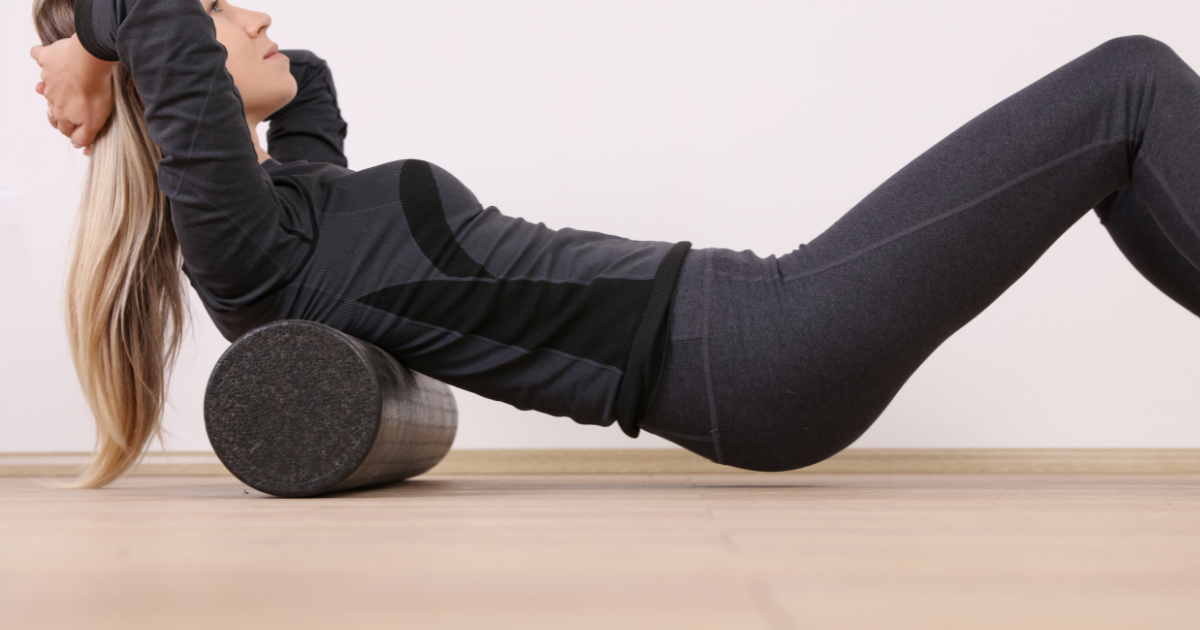
  3. Thoracic extension over towel/foam rollHow: Mid-back on roll, hands support head, gently extend over roll; avoid neck hyperextension. Why: Improves thoracic mobility so the neck/low back donโ€™t compensateโ€”especially important after prior herniated disc episodes. Incorporating lumbar extension exercises is also important for lower back flexibility and recovery after lumbar spine surgery. Reps: 6โ€“8 slow reps.
  4. Hip hinge with dowel (lumbar ADR)How: Dowel touches head, mid-back, sacrum; push hips back, slight knee bend, keep neutral spine; return to stand. Why: Teaches spine-sparing movement for daily life and long-term exercises after artificial disc replacement. This movement also activates the hip flexors, supporting hip and core stability. Reps: 8โ€“10 ร— 2 sets.

Phase 3 (Weeks 6โ€“12+): Strength & return to function

Goal: gradually reload with compound movements while maintaining neutral mechanics. As you progress, you can gradually return to physical activities and, eventually, vigorous exercise, always following your surgeon’s guidance. Ask your surgeon if any restrictions remain based on your specific artificial disc replacement.

  1. Farmer carry (light to moderate)How: Hold two light kettlebells/DBs; tall posture, ribs stacked; slow walk 20โ€“40 meters. Why: Builds trunk stiffness, grip, and gait control without spinal flexion/rotation. Sets: 3โ€“4 carries, rest as needed.
  2. Row variation (cable/band) with neutral neckHow: Hinge slightly, brace, row elbows toward pockets; keep chin tucked and spine neutral. Why: Posterior chain/scapular strength supports cervical and lumbar mechanics, reducing risk of recurrent lower back pain. Reps: 10โ€“12 ร— 2โ€“3 sets.

Progression rules: increase only one variable at a time (range, reps, load, speed, or frequency). Maintaining spine health is essential during this phase to prevent complications and support long-term recovery. Stop an exercise if you feel sharp, radiating, or escalating pain, new numbness/weakness, or loss of coordination. When in doubt, contact us.

Form cues that protect your new disc

  • Neutral first: โ€œRibs down, chin tucked, long spineโ€ (especially after cervical artificial disc replacement). Maintaining a neutral spine helps ensure proper spinal alignment, reducing undue stress on the surgical site and surrounding muscles. This position supports the healing process by keeping the cervical spine stable and limiting excessive movement that could disrupt the artificial disc, which is crucial for long-term spine health.
  • Breathe & brace: exhale on effort; avoid breath-holding early. Proper breathing techniques, such as diaphragmatic breathing, improve blood flow and oxygen delivery to the healing tissues. Bracing the core muscles gently during movements provides additional support to the spine, helping to relieve pressure on the cervical spine and spinal cord while promoting pain relief and supporting overall spine health.
  • Hinge, donโ€™t bend: hips back for lifting; keep load closeโ€”key for those with a history of degenerative disc disease. Using proper lifting techniques protects the surgical site by engaging the surrounding muscles and reducing strain on the neck and lower back. This method also helps prevent chest pain and delayed healing caused by improper body mechanics.
  • Move around the hour: brief walking breaks beat long sitting. Incorporating gentle physical activity throughout the day encourages blood flow, prevents muscle stiffness, and supports the healing process. Maintaining good posture during these breaks further aids in improving mobility and alleviating pain associated with neck surgery or spinal fusion surgery.

These form cues are essential during the initial recovery period to protect the incision site, promote optimal healing, and maintain spine health. Many patients find that following these guidelines, along with regular physical therapy and appropriate pain medication, leads to significant relief and a smoother recovery journey.

What to Avoid Early On

  • Heavy overhead pressing, max deadlifts, deep loaded flexion/rotation, and high-impact work until cleared.
  • For cervical ADR: avoid long, unsupported looking-down postures (phones/laptops) and end-range neck loading early. If youโ€™re seeing ads for โ€œlaser procedures,โ€ remember your rehab follows the actual operationโ€”see laser surgery vs. standard surgery for context.

These restrictions are crucial during the initial recovery phase to protect the surgical site and promote proper healing. These precautions are especially important after spine surgery or back surgery to ensure optimal healing and avoid complications. Engaging in heavy lifting or high-impact activities too soon can place undue stress on the spine, potentially compromising the fusion or artificial disc placement. Similarly, maintaining poor posture, especially prolonged looking down without support, can exacerbate neck pain and delay recovery.

Patients are encouraged to focus on maintaining proper posture during daily activities and to incorporate gentle neck and shoulder exercises as recommended by their physical therapist. Early involvement of a physical therapist can guide patients through a tailored exercise routine that supports healing while gradually restoring mobility and strength.

Overall, a cautious and progressive approach to activity post-artificial disc replacement ensures the best outcomes, reduces the risk of complications, and facilitates a return to normal activities and improved quality of life.

FAQs: Exercises after ADR with a Physical Therapist

When can I start? Most begin gentle breathing, walking, and mobility in Week 1โ€”progressions depend on your surgeon and PT. If you need specifics for your case, contact us.

Cervical vs lumbar, are the exercises different? Principles overlap (neutral spine, deep stabilizers), but neck-focused moves emphasize posture and scapular control; low-back plans emphasize core and hip mechanics for stubborn lower back pain.

Is ADR right for me? Start with our overview of artificial disc replacement and deeper candidacy details in this articleโ€”especially if you have degenerative disc disease or a history of herniated disc. Cervical disc replacement and cervical disc replacement surgery are alternatives to fusion procedures like ACDF surgery, which often use a bone graft to stabilize the spine.

Will โ€œlaserโ€ change my rehab? Marketing terms vary; your plan follows the actual technique and surgeon protocol. .

Should I Call the Clinic?

Worsening radiating pain, new weakness or numbness, fevers/chills, wound drainage, or loss of bowel/bladder control.

If any exercise repeatedly aggravates symptoms despite perfect form, contact us for a tailored plan.

Recognizing these warning signs early is crucial to prevent complications and ensure a smooth recovery process. Persistent or worsening symptoms such as increased radiating pain or new neurological deficits may indicate issues like nerve irritation or infection that require prompt medical attention. Additionally, systemic signs like fever or chills could suggest an infection at the surgical site, which must be addressed immediately.

Key Takeaways for Your Recovery

The best exercises after artificial disc replacement start simpleโ€”breathing, posture, and core/scapular controlโ€”then progress to strength and functional loading. Move with intention, progress patiently, and work with your PT and surgeon.

If youโ€™re still weighing surgery, review artificial disc replacement and whether itโ€™s a fit for degenerative disc disease; if youโ€™ve struggled with a herniated disc and persistent lower back pain, these progressions can help you return safely.

Didn't find what you were looking for?
Our patient advocates are here to answer all your questions.
Call us now at (973) 552-2932 or submit the form to request a callback.