
Recovering well starts with the right exercises after artificial disc replacement—done at the right time, with the right form. Artificial disc replacement is often compared to ACDF surgery, which uses a bone graft to stabilize and fuse the vertebrae, whereas disc replacement preserves motion at the treated level. Below you’ll find PT-approved moves for cervical and lumbar disc replacement, plus timelines, pacing tips, and when to call your surgeon.
What Are the Key Benefits of Disc Replacement Surgery?
Disc replacement offers you a modern surgical solution that’s designed to tackle your neck pain head-on while keeping your cervical spine moving naturally. Here’s the thing—unlike traditional spinal fusion that permanently locks your vertebrae together, this approach removes your damaged disc and replaces it with a durable artificial one made from metal or plastic materials. What this means for you is real relief from that pressure on your spinal cord and surrounding nerves, plus you get to regain normal function in your neck and shoulders.
Now, your initial recovery phase? That’s where the real work begins, and it’s absolutely crucial for your success. You’ll want to avoid heavy lifting, bending, and twisting during this time—think of it as protecting your investment while that artificial disc settles in and your surrounding tissues heal properly. Maintaining good posture and using proper lifting techniques isn’t just good advice; it’s essential for preventing unnecessary stress on your cervical spine. Your physical therapist becomes your best ally here, guiding you through safe mobility restoration and helping you rebuild strength and flexibility in your neck, shoulders, and even leg muscles through targeted exercises.
Physical therapy really becomes the cornerstone of your recovery journey after disc replacement. Your therapist will craft a personalized exercise routine just for you—we’re talking gentle neck stretches, targeted shoulder work, hamstring stretches, and core strengthening movements. These exercises are carefully chosen to boost your mobility, ease that pain, and support proper spinal alignment without irritating your surgical site. Most patients find that with solid physical therapy and appropriate pain medication, they experience significant relief from both neck pain and nerve pain, allowing them to gradually get back to their normal activities and physical pursuits.
During those initial recovery weeks, you might need pain medications to manage discomfort and inflammation—and that’s perfectly normal. The key is following your healthcare provider’s instructions to the letter and only using pain medication as directed to avoid any complications down the road. As your healing progresses, you can slowly ramp up your activity level, always under the watchful eye of your physical therapist and surgeon. This gradual approach ensures your artificial disc and surrounding muscles are healing properly while reducing your risk of nerve irritation or delayed healing.
What to Expect After Cervical Disc Replacement (Timeline at a Glance)
Most patients are able to walk the day of surgery, add gentle mobility in Week 1–2, and layer in light strength and posture work by Weeks 3–6. Return to heavier activity happens later, based on your surgeon’s clearance. (
Phase 1 (Week 1–2): Mobility & activation
Goal: reduce stiffness, restore gentle motion, activate deep stabilizers without provoking symptoms. These early artificial disc replacement exercises complement care for degenerative disc disease and post-op neck or lower back pain. Gentle movements can help engage the hip flexors and support lower body function. Exercises targeting the sciatic nerve can help reduce leg pain.
- Diaphragmatic breathing (supine)How: One hand on chest, one on belly. Inhale through nose to expand lower ribs; slow exhale through pursed lips. Why: Down-regulates guarding and primes core/neck stabilizers. Reps: 5 breaths × 3–5 sets/day.
- Scapular setting (cervical ADR)How: Seated/standing, gently “slide” shoulder blades down and in (no shrug), hold 3–5 sec. Why: Optimizes cervical posture and reduces neck extensor overuse often seen after herniated disc episodes. Reps: 10–12 reps × 2–3/day.
- Neutral-spine marching (lumbar ADR)How: Supine, knees bent; brace lightly (20–30%) and alternately lift one foot a few inches. Why: Trains deep core (TA/multifidus) and activates the abdominal muscles without flexion strain for those with prior lower back pain. Reps: 8–10/side × 2 sets.
- Gentle neck range of motion (cervical ADR)How: Nod “yes,” turn “no,” and side-bend within pain-free range; slow and controlled. Why: Restores segmental motion preserved by artificial disc replacement. Reps: 5–8 each direction × 2–3/day.
Phase 2 (Weeks 3–6): Stability & posture
Goal: build endurance in deep stabilizers; add light mobility for hips/upper back to unload the surgical level. If lingering symptoms point to adjacent degenerative disc disease, these drills help distribute load efficiently. Gentle flexion exercises, when performed safely, can also help improve range of motion and stretch muscles after back surgery.
- Chin tucks with wall slide (cervical ADR)How: Back to wall, tuck chin (make a “double chin”) and gently slide arms up in a “Y,” ribs down. Why: Reinforces cervical alignment after artificial disc replacement. Reps: 8–10 × 2–3 sets.
- Dead bug (lumbar ADR)How: Supine, arms up, hips/knees at 90°. Brace lightly; alternate extending opposite arm/leg without arching. Why: Anti-extension core control in neutral spine—key for reducing recurrent lower back pain. The abdominal muscles play a crucial role in maintaining spinal stability during this exercise. Reps: 6–8/side × 2–3 sets.
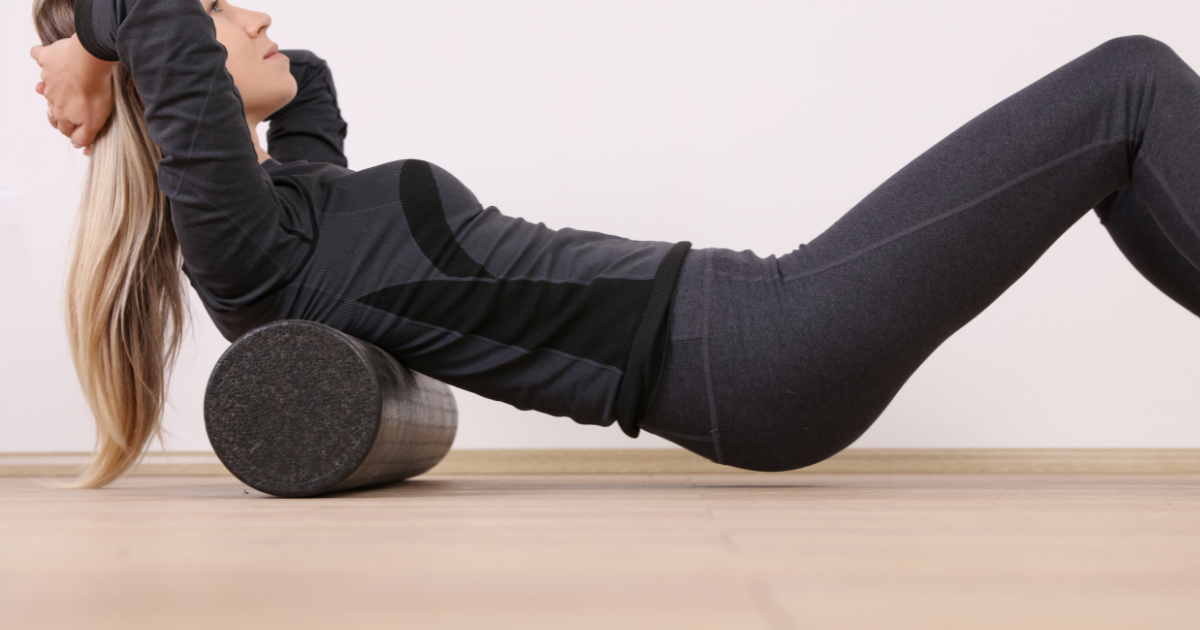
- Thoracic extension over towel/foam rollHow: Mid-back on roll, hands support head, gently extend over roll; avoid neck hyperextension. Why: Improves thoracic mobility so the neck/low back don’t compensate—especially important after prior herniated disc episodes. Incorporating lumbar extension exercises is also important for lower back flexibility and recovery after lumbar spine surgery. Reps: 6–8 slow reps.
- Hip hinge with dowel (lumbar ADR)How: Dowel touches head, mid-back, sacrum; push hips back, slight knee bend, keep neutral spine; return to stand. Why: Teaches spine-sparing movement for daily life and long-term exercises after artificial disc replacement. This movement also activates the hip flexors, supporting hip and core stability. Reps: 8–10 × 2 sets.
Phase 3 (Weeks 6–12+): Strength & return to function
Goal: gradually reload with compound movements while maintaining neutral mechanics. As you progress, you can gradually return to physical activities and, eventually, vigorous exercise, always following your surgeon’s guidance. Ask your surgeon if any restrictions remain based on your specific artificial disc replacement.
- Farmer carry (light to moderate)How: Hold two light kettlebells/DBs; tall posture, ribs stacked; slow walk 20–40 meters. Why: Builds trunk stiffness, grip, and gait control without spinal flexion/rotation. Sets: 3–4 carries, rest as needed.
- Row variation (cable/band) with neutral neckHow: Hinge slightly, brace, row elbows toward pockets; keep chin tucked and spine neutral. Why: Posterior chain/scapular strength supports cervical and lumbar mechanics, reducing risk of recurrent lower back pain. Reps: 10–12 × 2–3 sets.
Progression rules: increase only one variable at a time (range, reps, load, speed, or frequency). Maintaining spine health is essential during this phase to prevent complications and support long-term recovery. Stop an exercise if you feel sharp, radiating, or escalating pain, new numbness/weakness, or loss of coordination. When in doubt, contact us.
Form cues that protect your new disc
- Neutral first: “Ribs down, chin tucked, long spine” (especially after cervical artificial disc replacement). Maintaining a neutral spine helps ensure proper spinal alignment, reducing undue stress on the surgical site and surrounding muscles. This position supports the healing process by keeping the cervical spine stable and limiting excessive movement that could disrupt the artificial disc, which is crucial for long-term spine health.
- Breathe & brace: exhale on effort; avoid breath-holding early. Proper breathing techniques, such as diaphragmatic breathing, improve blood flow and oxygen delivery to the healing tissues. Bracing the core muscles gently during movements provides additional support to the spine, helping to relieve pressure on the cervical spine and spinal cord while promoting pain relief and supporting overall spine health.
- Hinge, don’t bend: hips back for lifting; keep load close—key for those with a history of degenerative disc disease. Using proper lifting techniques protects the surgical site by engaging the surrounding muscles and reducing strain on the neck and lower back. This method also helps prevent chest pain and delayed healing caused by improper body mechanics.
- Move around the hour: brief walking breaks beat long sitting. Incorporating gentle physical activity throughout the day encourages blood flow, prevents muscle stiffness, and supports the healing process. Maintaining good posture during these breaks further aids in improving mobility and alleviating pain associated with neck surgery or spinal fusion surgery.
These form cues are essential during the initial recovery period to protect the incision site, promote optimal healing, and maintain spine health. Many patients find that following these guidelines, along with regular physical therapy and appropriate pain medication, leads to significant relief and a smoother recovery journey.
What to Avoid Early On
- Heavy overhead pressing, max deadlifts, deep loaded flexion/rotation, and high-impact work until cleared.
- For cervical ADR: avoid long, unsupported looking-down postures (phones/laptops) and end-range neck loading early. If you’re seeing ads for “laser procedures,” remember your rehab follows the actual operation—see laser surgery vs. standard surgery for context.
These restrictions are crucial during the initial recovery phase to protect the surgical site and promote proper healing. These precautions are especially important after spine surgery or back surgery to ensure optimal healing and avoid complications. Engaging in heavy lifting or high-impact activities too soon can place undue stress on the spine, potentially compromising the fusion or artificial disc placement. Similarly, maintaining poor posture, especially prolonged looking down without support, can exacerbate neck pain and delay recovery.
Patients are encouraged to focus on maintaining proper posture during daily activities and to incorporate gentle neck and shoulder exercises as recommended by their physical therapist. Early involvement of a physical therapist can guide patients through a tailored exercise routine that supports healing while gradually restoring mobility and strength.
Overall, a cautious and progressive approach to activity post-artificial disc replacement ensures the best outcomes, reduces the risk of complications, and facilitates a return to normal activities and improved quality of life.
FAQs: Exercises after ADR with a Physical Therapist
When can I start? Most begin gentle breathing, walking, and mobility in Week 1—progressions depend on your surgeon and PT. If you need specifics for your case, contact us.
Cervical vs lumbar, are the exercises different? Principles overlap (neutral spine, deep stabilizers), but neck-focused moves emphasize posture and scapular control; low-back plans emphasize core and hip mechanics for stubborn lower back pain.
Is ADR right for me? Start with our overview of artificial disc replacement and deeper candidacy details in this article—especially if you have degenerative disc disease or a history of herniated disc. Cervical disc replacement and cervical disc replacement surgery are alternatives to fusion procedures like ACDF surgery, which often use a bone graft to stabilize the spine.
Will “laser” change my rehab? Marketing terms vary; your plan follows the actual technique and surgeon protocol. .
Should I Call the Clinic?
Worsening radiating pain, new weakness or numbness, fevers/chills, wound drainage, or loss of bowel/bladder control.
If any exercise repeatedly aggravates symptoms despite perfect form, contact us for a tailored plan.
Recognizing these warning signs early is crucial to prevent complications and ensure a smooth recovery process. Persistent or worsening symptoms such as increased radiating pain or new neurological deficits may indicate issues like nerve irritation or infection that require prompt medical attention. Additionally, systemic signs like fever or chills could suggest an infection at the surgical site, which must be addressed immediately.
Key Takeaways for Your Recovery
The best exercises after artificial disc replacement start simple—breathing, posture, and core/scapular control—then progress to strength and functional loading. Move with intention, progress patiently, and work with your PT and surgeon.
If you’re still weighing surgery, review artificial disc replacement and whether it’s a fit for degenerative disc disease; if you’ve struggled with a herniated disc and persistent lower back pain, these progressions can help you return safely.