
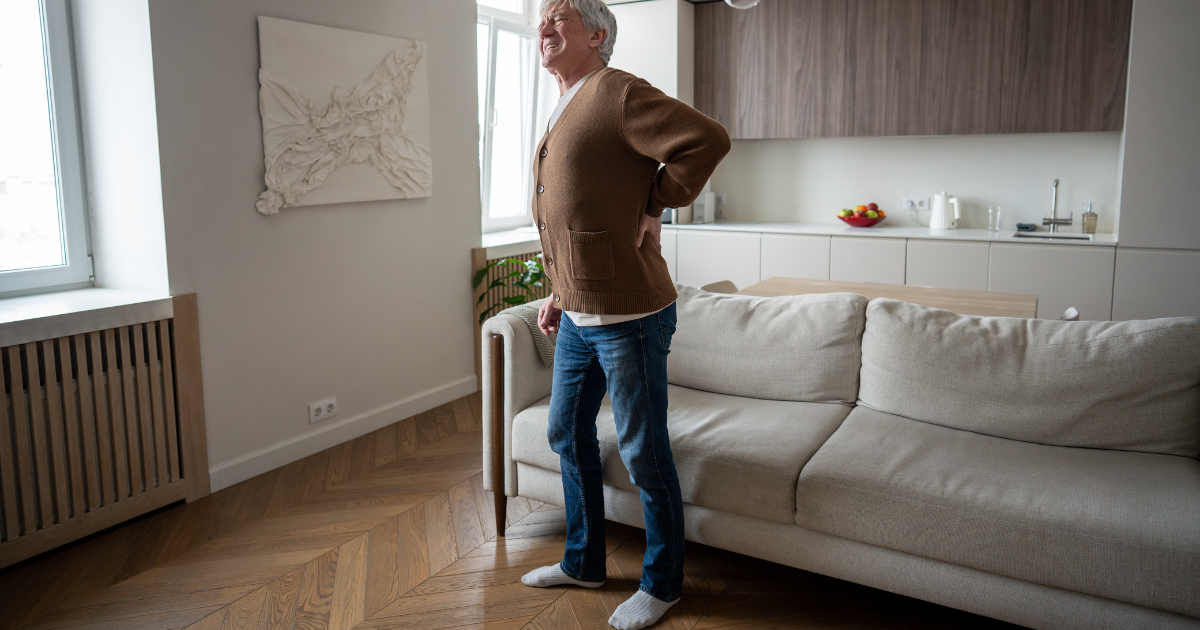
The early signs of spinal stenosis often develop gradually, which makes them easy to dismiss as normal aging or general back stiffness. Early signs of spinal stenosis may include progressive pain, numbness, tingling, or weakness in the back, buttocks, legs, or feet. Spinal stenosis occurs when the spinal canal narrows and places pressure on the spinal cord or nerve roots. Symptoms vary depending on whether narrowing affects the cervical spine (neck) or the lumbar spine (lower back). Ongoing nerve compression can lead to persistent pain, sensory changes, and reduced mobility that worsen over time if left untreated.
Early recognition of spinal stenosis symptoms allows patients to seek evaluation before symptoms escalate to severe pain, walking difficulty, balance problems, or interference with daily function.
Understanding Spinal Stenosis and Nerve Compression
Spinal stenosis most commonly affects the lumbar spine, although it can also involve the cervical spine. Lumbar spinal stenosis represents a frequent cause of nerve compression in the lower back and often leads to leg pain and mobility changes. Degenerative changes such as disc degeneration, thickened ligaments, and bone spurs gradually reduce the space available for spinal nerves. As narrowing progresses, nerve compression increases and produces characteristic spinal stenosis symptoms.
ISSI frequently evaluates patients who report back pain combined with leg symptoms, which often suggests spinal nerve involvement rather than isolated muscle strain.
Spinal stenosis typically develops slowly and may not cause noticeable symptoms initially, even when imaging already shows narrowing.
Diagnosis and assessment often involve imaging studies such as MRI or CT scans to determine the location and severity of nerve compression.
Types of Spinal Stenosis and Symptom Location
Spinal stenosis is classified based on where narrowing occurs in the spine. Lumbar spinal stenosis affects the lower back and commonly causes leg pain, weakness, or difficulty walking. Cervical spinal stenosis affects the neck and may cause neck pain, arm pain, numbness, balance changes, or coordination difficulties.
Because spinal stenosis can involve different regions of the spine, symptoms and potential complications vary. Identifying whether stenosis affects the lumbar or cervical spine is essential for selecting appropriate treatment strategies and monitoring progression.
Causes of Spinal Stenosis
Several conditions can contribute to narrowing of the spinal canal. The most common cause is osteoarthritis, which leads to gradual wear of spinal joints and discs over time. Additional causes include spinal injuries that alter alignment, bone disorders such as Paget’s disease, and abnormal bone growth.
Bone spurs, thickened ligaments, and herniated discs can encroach on the spinal canal and compress nerves. Some individuals are born with a naturally narrow spinal canal, which increases the likelihood of developing spinal stenosis later in life.
Identifying the specific cause of spinal stenosis allows clinicians to tailor treatment to the underlying problem rather than addressing symptoms alone.
Early Symptoms of Spinal Stenosis in the Lower Back
Many patients experience early symptoms of spinal stenosis as lower back discomfort that gradually changes in pattern. Symptoms may begin as mild stiffness or aching after rest or prolonged standing. Unlike acute injuries, spinal stenosis back pain often feels persistent and worsens with activity.
Common early spinal stenosis symptoms include:
- Aching or stiffness in the lower back
- Pain that worsens with standing or walking
- Relief with sitting or bending forward
- Tightness or fatigue in the legs
- Burning pain radiating into the buttocks or thighs
Relief with forward bending, sometimes referred to as shopping cart posture, strongly suggests spinal stenosis rather than simple back strain.
Spinal Stenosis Leg Pain and Walking Difficulty
Changes in walking ability represent one of the most recognizable signs of spinal stenosis. Spinal stenosis leg pain often develops after walking a predictable distance and improves with rest or sitting. Symptoms may affect one or both legs.
Patients commonly report:
- Heaviness or weakness in the legs
- Cramping or aching in the thighs or calves
- Reduced walking endurance
- Frequent need to stop, sit, or lean forward
- Foot drop, which may cause the foot to drag or slap the ground
Additional symptoms may include balance difficulty or clumsiness. This pattern, known as neurogenic claudication, helps distinguish spinal stenosis from vascular conditions or sciatica.
Numbness From Spinal Stenosis and Sensory Changes
Numbness from spinal stenosis frequently affects the legs, feet, or buttocks. Sensory changes may include tingling, burning sensations, or reduced feeling that worsens with prolonged standing. Numbness or weakness often progresses slowly.
Unlike sciatica, spinal stenosis numbness in the legs commonly affects both sides. Increasing numbness, weakness, or new balance problems may indicate worsening nerve compression and require prompt evaluation.
Spinal Stenosis vs Sciatica Symptoms
Understanding spinal stenosis vs sciatica symptoms helps clarify diagnosis. Sciatica typically causes sharp, radiating pain down one leg that follows a nerve pathway. Spinal stenosis more often produces bilateral leg pain, numbness, or weakness that worsens with standing or walking.
Pain relief with sitting or forward bending strongly supports a diagnosis of spinal stenosis rather than sciatica.
When Spinal Stenosis Gets Worse
Spinal stenosis often progresses over time. Early symptoms may evolve into increased pain, worsening numbness, or weakness that limits daily activity. Symptoms frequently worsen with standing or walking and improve with rest.
Warning signs that spinal stenosis is worsening include:
- Decreased walking tolerance
- Progressive leg weakness
- Balance problems
- Pain that no longer improves with rest
- Severe or persistent pain
- Difficulty walking or standing
In severe cases, loss of bowel or bladder control may occur. This represents a medical emergency and may indicate cauda equina syndrome, which requires immediate evaluation to prevent permanent neurological damage.
How Spinal Stenosis Is Diagnosed
Spinal stenosis diagnosis begins with a detailed medical history and physical examination. ISSI specialists assess posture, gait, strength, reflexes, and sensation.
Imaging studies such as MRI confirm spinal canal narrowing, disc degeneration, and nerve compression. Accurate diagnosis ensures treatment targets the underlying cause rather than isolated symptoms.
Treatment Options for Spinal Stenosis at ISSI
ISSI prioritizes conservative and nonsurgical treatments for early spinal stenosis when appropriate. Initial treatment options often include physical therapy to strengthen supporting muscles, improve flexibility, and teach safe movement strategies. Activity modification can help reduce symptom flare-ups.
Medications such as nonsteroidal anti-inflammatory drugs may reduce pain and inflammation. Steroid injections may decrease nerve irritation and improve function.
When symptoms persist despite conservative treatment, surgical options may be considered. Lumbar decompression surgery increases space around compressed nerves. Spinal fusion may be recommended if instability exists after decompression. Minimally invasive spine surgery techniques are available and may reduce tissue disruption and recovery time.
Recovery and Rehabilitation
A structured recovery and rehabilitation plan plays a key role in managing spinal stenosis. Physical therapy often supports pain reduction, strength restoration, and improved walking tolerance. Therapists design individualized programs to address specific deficits and functional goals.
Some patients benefit from spinal injections or minimally invasive procedures when conservative measures alone do not provide adequate relief. Gradual progression and close coordination with the care team support long-term mobility and independence.
Lifestyle Modifications for Spinal Stenosis Management
Lifestyle modifications can significantly influence spinal stenosis symptoms. Regular low-impact exercise such as walking or swimming helps maintain spinal flexibility. Weight management reduces strain on the spine and may slow symptom progression.
Avoiding activities that worsen symptoms, including repetitive bending or heavy lifting, helps protect the spine. Practicing good posture and taking regular breaks during activities support spinal health. Smoking cessation and stress management further contribute to overall spine health.
Nutrition and Spinal Stenosis Support
Nutrition supports spinal health and recovery. Diets rich in omega-3 fatty acids may help reduce inflammation. Adequate calcium and vitamin D intake supports bone health. Proper hydration helps maintain disc health and flexibility.
Balanced nutrition also supports weight management, which reduces pressure on the spinal canal. Discussing nutrition strategies with a healthcare provider allows for individualized recommendations.
When to Seek Spine Specialist Care
Patients should seek evaluation when spinal stenosis symptoms:
- Persist beyond several weeks
- Limit walking or standing
- Cause leg numbness or weakness
- Interfere with daily activities
Early diagnosis improves outcomes and expands treatment options.
Early Identification Leads to Better Outcomes
The early signs of spinal stenosis should not be ignored. With accurate diagnosis and timely treatment, many patients maintain mobility and avoid progression to severe disability.
ISSI’s spine specialists focus on precise diagnosis and individualized care plans to support long-term spinal health.