
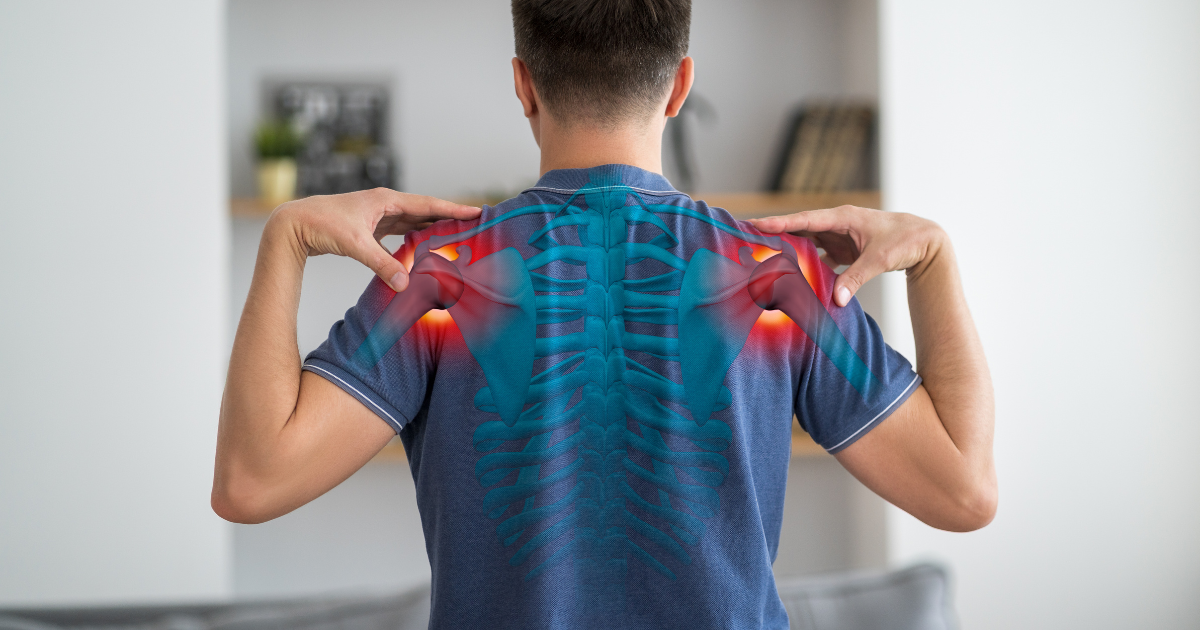
Neck and shoulder discomfort often overlap, which makes it difficult for many patients to identify the true source of their pain. Cervical radiculopathy vs shoulder pain is a common diagnostic question, particularly when pain radiates into the arm, causes weakness, or limits daily activity. Although these conditions can feel similar, they originate from different anatomical structures and require different treatment approaches.
Understanding the difference between cervical radiculopathy and shoulder pain helps patients pursue the correct evaluation early and avoid delays in effective care.
Neck Pain and Shoulder Pain: Why Symptoms Often Overlap
Neck pain is one of the most common musculoskeletal complaints and affects individuals across all age groups. It may present as a dull, persistent ache or as sharp pain that extends into the shoulder or arm. Poor posture, prolonged sitting, and repetitive movements frequently contribute to neck discomfort, especially with increased use of computers and mobile devices.
In some cases, neck pain signals an underlying cervical spine condition such as a pinched nerve or cervical radiculopathy. Cervical radiculopathy develops when a nerve root in the neck becomes compressed or irritated, leading to symptoms that extend beyond the neck itself. Identifying whether pain originates from the cervical spine or the shoulder joint is the first step toward appropriate treatment.
Understanding the Cervical Spine and Nerve Function
The cervical spine consists of seven vertebrae, intervertebral discs, ligaments, and muscles that support the head and allow a wide range of motion. The spinal cord runs through the center of the cervical spine and gives rise to nerve roots that control sensation and movement in the shoulders, arms, and hands.
When these nerve roots become compressed due to injury, disc degeneration, or structural changes, cervical nerve compression can occur. This compression leads to cervical radiculopathy, which often causes neck pain, arm pain, numbness, and weakness that follow a specific nerve pattern.
Cervical Radiculopathy vs Shoulder Pain: Diagnostic Clues
Cervical radiculopathy occurs when a cervical nerve root becomes compressed or inflamed. Common causes include disc herniation, degenerative changes, or narrowing of the spinal canal. Shoulder pain, in contrast, usually originates from the shoulder joint or surrounding soft tissues such as the rotator cuff, labrum, or bursa.
Several risk factors increase the likelihood of cervical radiculopathy, including advancing age, repetitive neck movements, smoking, manual labor, and occupations involving heavy lifting or vibration exposure. Recognizing these factors helps clinicians assess the likelihood of cervical spine involvement.
Because both conditions can cause pain near the neck and shoulder, accurate neck pain diagnosis requires a detailed medical history and physical examination. Imaging studies such as MRI or CT scans often help confirm cervical nerve compression. Clinical tests such as Spurling’s test can reproduce arm pain associated with cervical radiculopathy, while Hawkins-Kennedy and Neer’s tests help identify shoulder impingement or rotator cuff pathology.
Cervical Radiculopathy Symptoms and Cervical Nerve Compression
Cervical radiculopathy symptoms often extend beyond the neck. When cervical spine nerve pain develops, symptoms typically follow a predictable pathway into the shoulder, arm, or hand.
Common cervical radiculopathy symptoms include:
- Neck pain that radiates into the shoulder or arm
- Upper extremity pain extending into the forearm or hand
- Numbness or tingling in the fingers or hand
- Burning or electric-like sensations in the upper limb
- Muscle weakness affecting grip strength or arm function
- Pain that worsens with neck movement or prolonged positioning
Neck pain associated with cervical radiculopathy often radiates down the arm and may worsen with neck extension or rotation toward the affected side. Axial neck pain refers to pain localized to the neck and commonly worsens with movement or poor posture. Cervical radiculopathy arm pain rarely remains confined to the shoulder and often changes with head or neck position.
Cervical Disc Herniation and Cervical Radiculopathy
Between each cervical vertebra sits an intervertebral disc that cushions movement and absorbs shock. Over time or following injury, these discs may weaken or tear, leading to cervical disc herniation. When disc material presses against a nerve root, cervical radiculopathy symptoms such as pain, numbness, and weakness can develop.
Cervical disc herniation represents one of the most common causes of cervical nerve root irritation. Initial treatment often involves conservative approaches such as physical therapy to strengthen supporting muscles and improve mobility. Medications and cervical epidural steroid injections may reduce inflammation and alleviate symptoms. If conservative measures fail or nerve compression becomes severe, surgical options such as anterior cervical discectomy or fusion may be recommended.
Shoulder Pain vs Neck Pain: How Shoulder Injuries Present
Shoulder pain usually develops from injury or degeneration within the shoulder joint. Unlike cervical radiculopathy, shoulder pain tends to remain localized and worsens with shoulder movement rather than neck positioning. Patients often report persistent night pain and weakness limited to the shoulder joint.
Common shoulder pain causes include:
- Rotator cuff strain or tear
- Shoulder impingement
- Labral injury
- Inflammation of tendons or bursae
Shoulder injury vs nerve pain can often be distinguished by symptom behavior. Shoulder pain typically worsens with lifting, reaching, or overhead movement and rarely causes numbness or tingling in the hand. Pain that extends past the elbow or into the fingers suggests cervical spine nerve involvement and warrants further evaluation.
Cervical Radiculopathy vs Shoulder Pain: Key Symptom Differences
Although both conditions cause discomfort, their symptom patterns differ in clinically meaningful ways. Cervical radiculopathy vs shoulder pain can often be distinguished by how symptoms respond to movement.
Cervical radiculopathy commonly causes radiating pain, sensory changes, and weakness that follow a nerve distribution. Shoulder pain usually causes localized discomfort, stiffness, and limited range of motion without neurological symptoms. Pain that changes with neck position suggests a spinal source, while pain that worsens with shoulder use points toward a shoulder injury.
Recognizing when shoulder pain is not a shoulder problem allows clinicians to direct evaluation toward the cervical spine when appropriate.
How to Tell if Pain Is From Neck or Shoulder
Patients often ask how to tell if pain is from the neck or shoulder. Several clinical patterns help guide this distinction.
Neck-related nerve pain frequently radiates down the arm and includes numbness or weakness. Shoulder-related pain typically remains near the joint and worsens with arm use. When pain extends past the elbow or affects the hand, cervical spine involvement becomes more likely.
How ISSI Diagnoses Cervical Radiculopathy vs Shoulder Pain
At International Spine and Sports Institute, specialists take a comprehensive approach to diagnosis. Providers review symptom history, perform focused physical examinations, and assess neck mobility, shoulder strength, reflexes, and sensation.
Cervical radiculopathy diagnosis often involves imaging studies such as MRI or CT scans. MRI visualizes soft tissue abnormalities such as herniated discs and nerve root compression, while CT scans identify bone spurs and degenerative changes. Evaluation of facet joints, foraminal narrowing, and cervical spondylosis helps determine the source of nerve compression. This structured approach ensures treatment targets the true source of pain.
Treatment Options for Cervical Radiculopathy vs Shoulder Pain
Treatment depends on the underlying diagnosis. Cervical radiculopathy treatment often begins with nonsurgical options such as physical therapy, nonsteroidal anti-inflammatory drugs, and targeted injections. Short-term use of a cervical collar may reduce nerve irritation, although prolonged use can weaken supporting muscles. Most patients improve without surgery, with more than 85 percent resolving within eight to twelve weeks.
Shoulder pain often responds to rehabilitation, activity modification, and orthopedic care. ISSI prioritizes conservative treatment first and escalates care only when symptoms persist or impair function.
Preventing Cervical Radiculopathy and Chronic Neck Pain
Preventing cervical radiculopathy involves maintaining healthy neck mechanics. Proper posture, ergonomic workstations, and regular movement breaks reduce strain on the cervical spine. Strengthening exercises, flexibility training, and activities such as yoga or Pilates support long-term neck health and reduce injury risk.
When Neck or Shoulder Pain Requires Specialist Care
Patients should seek evaluation when pain:
- Persists beyond several weeks
- Radiates into the arm or hand
- Causes numbness, tingling, or weakness
- Interferes with work, sports, or daily activities
Early diagnosis improves outcomes and reduces the risk of long-term nerve or joint damage.
Accurate Diagnosis Leads to Better Outcomes
Cervical radiculopathy vs shoulder pain may present similarly, but effective treatment depends on identifying the correct source. With an accurate diagnosis and targeted care plan, many patients experience meaningful improvement and return to activity with confidence.
ISSI’s integrated spine and sports medicine approach supports precise diagnosis and appropriate care for long-term recovery.